
Geriatric mental health & elderly care
Now, it is our turn to look after them.
They spent years building our lives. As they grow older, caring for them means more than medicines, appointments and physical safety. It means noticing what is happening within.
In person at our Kandivali East centre, Mumbai - and online for families living apart, in India or abroad.
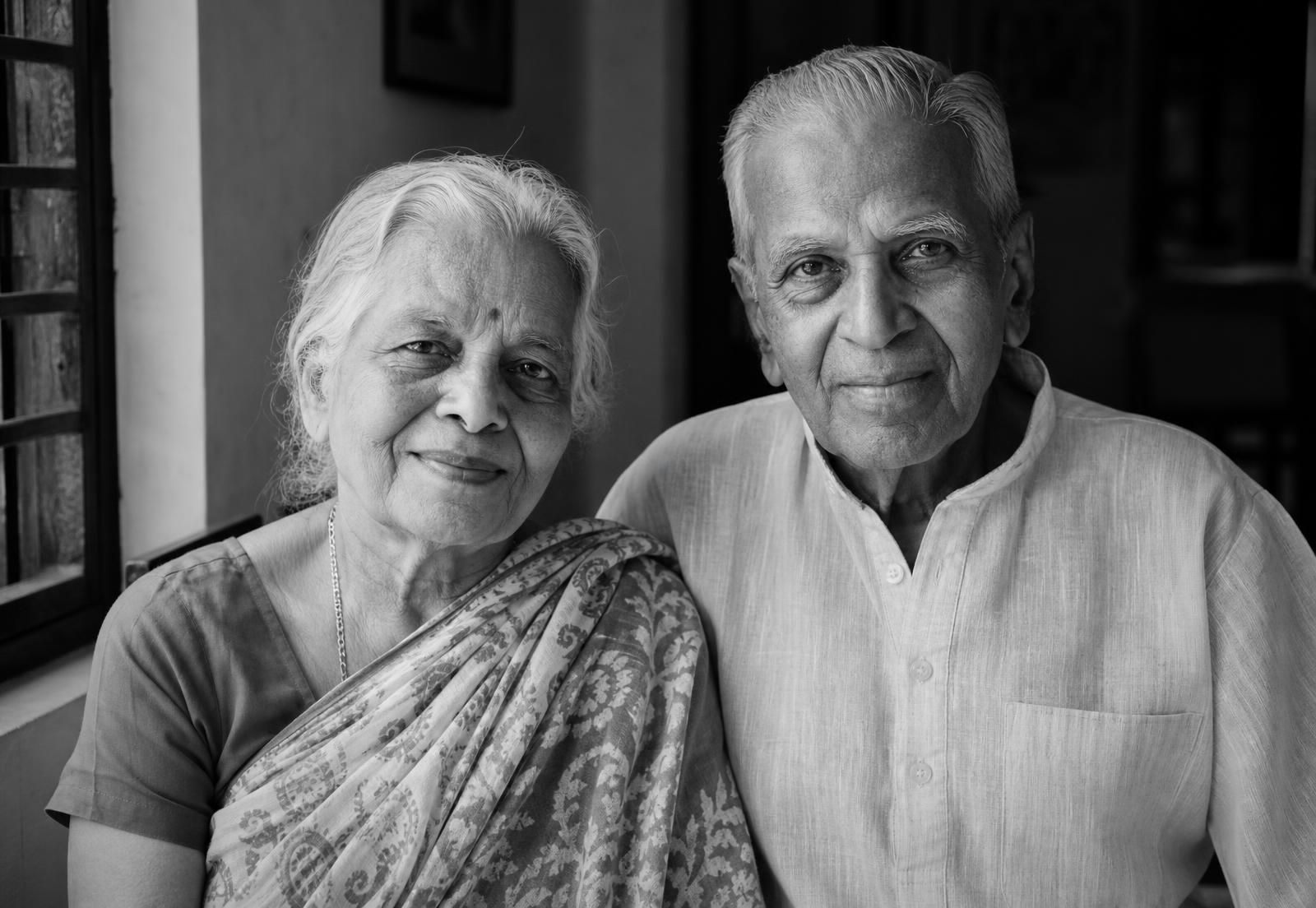
The story
They made sure we ate.
They waited up when we came home.
They worried about our exams.
They built careers while raising families.
They made sacrifices we understood only much later.
And now life has changed.
- We have moved cities.
- Some of us have moved countries.
- Families have become smaller.
- Children have grown into demanding careers and their own families.
- Retirement has changed identities.
- Friends have moved away.
- A spouse may no longer be there.
They may be surrounded by care -
and still feel alone.
What if what we call "old age" is sometimes something we have not taken the time to understand?
Behaviours we learn to manage
- The irritation.
- The repeated complaints.
- The withdrawal.
- The constant worry about health.
- The loss of interest.
- The need for reassurance.
- The forgetfulness.
- The reluctance to meet people.
There is often more behind the behaviour.
Behaviour is not a diagnosis. These are questions worth asking, not conclusions.
Look again
Each line may need understanding underneath it.
They are becoming very irritable.
Could there be anxiety, grief, loneliness, physical pain, a loss of control or ongoing frustration underneath the irritation?
They keep calling me.
Could they be seeking reassurance, connection, or simply a sense of safety in a day that has become very quiet?
They have stopped going out.
Could this be withdrawal, a loss of confidence, unspoken bereavement, or reduced social connection after friends moved away?
They say they are a burden.
Could there be hopelessness, a loss of autonomy, or depression behind those words? Statements like these deserve attention, not reassurance alone.
They keep forgetting things.
This can be part of normal ageing - and it can also relate to stress, low mood, sleep, medication effects or a cognitive concern that deserves proper assessment.
What the evidence tells us about later life
- 14%
- of adults aged 60 and over live with a mental health condition 1
- 27.2%
- of all suicide deaths worldwide are among people aged 60 or over 1
- 1 in 4
- older adults experience social isolation - a recognised risk to mental and physical health 2
The World Health Organization also names bereavement, reduced income or loss of purpose after retirement, declining functional ability and ageism as significant stressors in later life - and recommends person-centred care that considers mental, physical and social needs together. See all references
The many layers
Growing older changes more than the body.
Ten areas we look at together.
Emotional well-being
Sadness, irritability, loss of interest, emotional withdrawal. Low mood in later life is often expressed through the body, through complaints or through irritation rather than the words 'I feel depressed'.
Loneliness & connection
Living alone, reduced social contact, children living away. As community shrinks, so can the number of people who notice how someone is really doing.
Retirement & identity
Loss of role, purpose, routine or professional identity. Retirement can quietly remove the structure that held a sense of self together.
Grief & bereavement
Death of a spouse, friends or siblings; changing family roles. Grief in later life often arrives repeatedly and without space to be spoken about.
Anxiety about health
Illness, medical procedures, dependence, uncertainty. Understanding the fear behind repeated complaints usually helps more than reassurance about reports.
Dependence & dignity
Fear of becoming a burden or losing autonomy. Preserving choice and dignity is part of the clinical work, not an afterthought.
Cognitive & memory changes
Forgetfulness, confusion, changes in day-to-day functioning. A structured cognitive assessment can clarify what is happening.
Relationships across generations
Two generations can love each other and still speak entirely different emotional languages. Family consultations often begin here.
Financial & practical insecurity
Worries about money, safety and dependence. Practical insecurity is an emotional experience too.
Meaning & purpose
Later life can also be a time of reconnecting with faith, teaching, community, creativity, grandchildren and unfinished interests.
A particularly important conversation
"Ab jeene ka kya hai?"
Sometimes these words are said casually.
Sometimes they come from exhaustion.
Sometimes from grief.
Sometimes from feeling dependent, or like a burden.
And sometimes, they can signal significant emotional distress. We believe such statements deserve curiosity, compassion and professional attention - not dismissal.
Please take this seriously
If an older adult expresses a wish to die, talks about not wanting to live, or suggests that others would be better off without them, seek professional assessment promptly. In India you can reach Tele-MANAS at 14416, any time, in your language.
The Reflect Within approach
We do not look at ageing in parts.
Physical health matters. Memory matters. Relationships matter. Grief matters. Purpose matters. Emotional well-being matters. They are not separate stories.
01
We begin with their life, not their age
Work history, relationships, losses, migration, faith, routines, what they were known for. Ageing is understood inside a life story, not as a category.
02
We look at body, mind and memory together
Pain, sleep, medication, thyroid, vision, hearing and mobility all shape mood and behaviour. Where relevant, we look at cognition properly rather than assuming.
03
We include the family, carefully
Adult children often carry worry, guilt and distance. Where the older adult consents, family sessions help everyone respond to the same picture.
04
We plan for the years ahead
Support is built around what the person still wants from life - connection, independence, purpose - not only around managing symptoms.
People are not understood in parts. And neither should our parents be.
What we offer
Where families usually begin.
01
Mental health & well-being screening
A gentle first step that helps identify the areas which may need attention.
02
Psychological assessment
For a deeper understanding of mood, anxiety, adjustment, grief and emotional concerns.
03
Cognitive & memory assessment
When forgetfulness or changes in functioning need closer, structured evaluation.
04
Psychotherapy for older adults
Support around loneliness, grief, retirement, identity, anxiety, relationships and emotional adjustment to ageing.
05
Family consultations
Helping adult children understand changes in behaviour and respond with more clarity and less conflict.
06
Psychiatric support
When a psychiatric evaluation is clinically appropriate, coordinated with the rest of the care.
The screening
You do not have to wait for something to go wrong.
Our mental health screening for older adults is designed as a gentle check-in - not a label. It usually takes one unhurried session, and it can happen online with a family member present if that feels easier.
- mood
- anxiety
- loneliness
- social connection
- grief
- retirement adjustment
- purpose
- dependence
- sleep
- memory concerns
- hopelessness
Screening is not the same as diagnosis. It is a way of noticing concerns early and deciding together whether further support may be useful.

If you are the son or daughter
Maybe you live in the same house.
Maybe you call every evening from another country.
Maybe someone is already taking care of the practical things.
But when was the last time you asked: "How are you really doing with all of this?"
If you are the older adult
You may be getting older. But you are not only your age.
You are a parent. A partner. A professional. A friend.
A person with memories, losses, opinions, fears, humour and dreams.
If something has changed within you, you deserve a place where it can be spoken about without being dismissed as "just age".
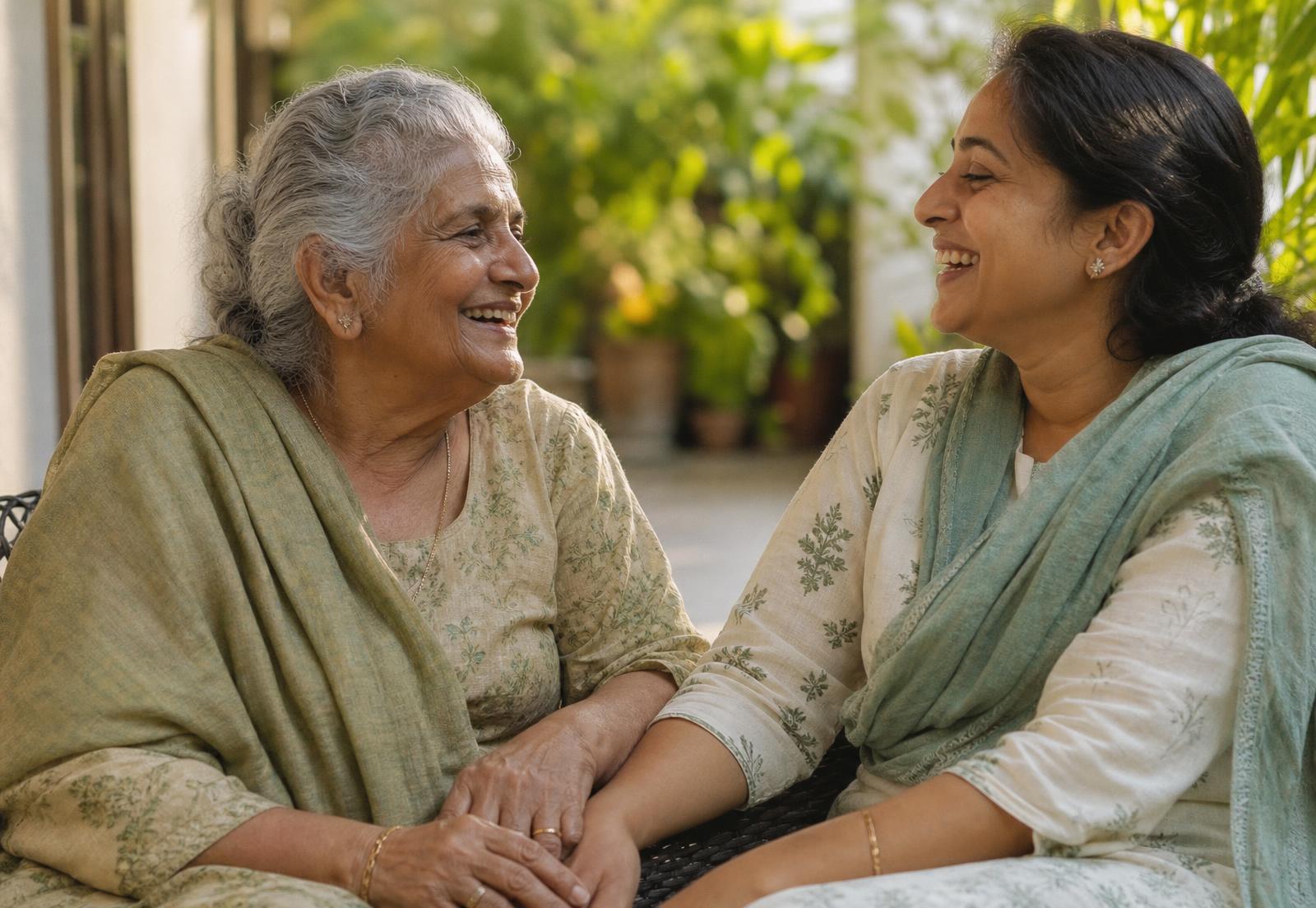
They looked after us for years. Now, let us learn to look after them - completely.
At Reflect Within, elderly care includes mental health, emotional well-being, cognitive health, relationships and the dignity of ageing.
Because caring for someone is not only making sure they are okay. It is taking the time to understand what "okay" means to them.
Next steps
Not sure whether this needs professional attention?
Tell us briefly what you have been noticing in your parent, or in yourself. We respond within one working day with the right professional and available times.