
Loading...

Reflect Within offers compassionate, holistic mental health support through psychotherapy, psychiatry, occupational therapy, speech therapy, physiotherapy, nutrition, and assessments.

Contact Info
Location

Bungalow No. 7, nr. Mahindra Flyover, off Western Express Highway, Kandivali East, Mumbai 400101
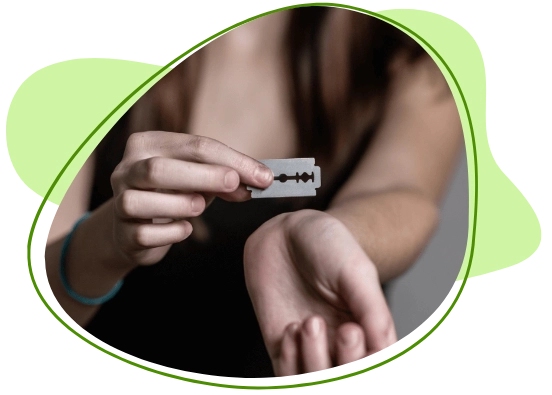
Self Harm
Individuals

Self Harm

Self-harm is a concerning behaviour in which a person intentionally causes harm to themselves, usually by burning or cutting. It acts as a maladaptive coping mechanism and a visible representation of emotional distress.

Individuals who have experienced neglect, have been through abuse or trauma are more likely to develop a tendency to self harm. It is often seen as a sign of attention seeking, however significant number of cases that have been reported to die by suicide have a history of self-harm.

Overview

  • Individuals who have experienced neglect, have been through abuse or trauma are more likely to develop a tendency to self harm. It is often seen as a sign of attention seeking, however significant number of cases that have been reported to die by suicide have a history of self-harm.
  • Self-harm is an indicator for mental health treatment and intervention because it is frequently the result of an inability to control intense emotions. It is important to acknowledge that it is a complicated problem, and to address the underlying emotional turmoil in order to promote better coping mechanisms and emotional wellbeing. For those who self-harm, getting professional assistance is essential. Understanding a wide range of indicators is essential for recognizing and treating self-harming behaviors and advancing all-encompassing mental health care.
  • Self-harm encompasses behavioural, physical, cognitive, and psychosocial symptoms in addition to physical indications like burning or cutting.
  • Self-harm done to sabotage oneself or hurt oneself physically but not with an intent to die by suicide is known as Non-suicidal self injury. It is most commonly seen in situations where one is trying to elicit an interpersonal response from someone when they have tried communicating or expressing themselves several times or occasions but have failed. Often individuals feeling stuck or feeling helpless in situations can attempt indulging into NSSI.If you think a friend or relative is self-harming, look out for signs, including:
  • In order to address self-harm and suicide, psychologists must perform in-depth assessments, clinical evaluation to identify underlying problems, address their emotional concerns, and create individualized intervention plans. They offer coping mechanisms, resilience building, and counselling to help people navigate emotional distress. Psychologists work in tandem with other mental health specialists to create a supportive atmosphere that helps people overcome obstacles and lowers the likelihood of self-harm or suicide.
  • Psychiatrists play a critical role in diagnosing and treating underlying mental health conditions by performing thorough psychiatric assessments in order to address self-harm and suicidal tendencies. In order to reduce symptoms, they take medication, which primarily addresses emotional issues and depressive traits. Psychiatrists work in collaboration with psychologist to address the emotional components of self-harm and develop a comprehensive strategy to reduce suicide risks and advance mental health in general. Consistent monitoring guarantees that the treatment plan is working.
  • Anticipating worst possible situations
  • Excessive Sweating
  • Palpitations, pounding heart
  • Numbness

Ready to take the next step?

Book a session with Reflect Within to explore the right support for you.

Book a Session