
Loading...

Reflect Within offers compassionate, holistic mental health support through psychotherapy, psychiatry, occupational therapy, speech therapy, physiotherapy, nutrition, and assessments.

Contact Info
Location

Bungalow No. 7, nr. Mahindra Flyover, off Western Express Highway, Kandivali East, Mumbai 400101
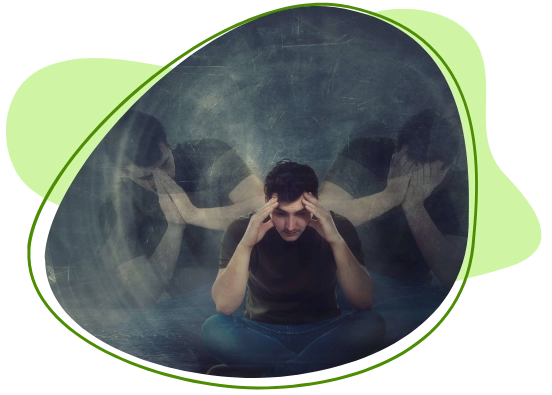
Dissociative Disorder
Individuals

Dissociative Disorder

Dissociative disorders are mental health conditions that involve experiencing a loss of connection between thoughts, memories, feelings, surroundings, behavior and identity. These circumstances include unwelcome and unhealthy ways of escaping reality.This causes problems in managing everyday life. Dissociative disorders typically develop in response to upsetting, painful, or shocking experiences and aid in erasing unpleasant memories. These disruptions often serve as a defense mechanism against overwhelming stress, trauma, or distressing experiences.

Individuals with dissociative disorders may encounter periods where they feel detached from reality, experience amnesia, or assume alternate identities. The onset of dissociative disorders is frequently linked to significant psychological trauma, emphasizing the mind’s capacity to compartmentalize distressing experiences.

Overview

  • Individuals with dissociative disorders may encounter periods where they feel detached from reality, experience amnesia, or assume alternate identities. The onset of dissociative disorders is frequently linked to significant psychological trauma, emphasizing the mind’s capacity to compartmentalize distressing experiences.
  • The spectrum includes
  • Managing Dissociative Disorders involves a comprehensive approach, especially during crises marked by severe or impulsive behavior. In emergency situations, urgent care in a hospital’s emergency department becomes essential to address immediate safety concerns. Psychotherapy helps process underlying trauma, emotional regulation, and explores and integrates different aspects of the self. Medications may be considered for co-occurring conditions. Grounding techniques, mindfulness, and structured routines promote present-moment awareness and stability. Art and expressive therapies offer creative outlets, and supportive relationships contribute to a sense of safety. Education about dissociation empowers individuals, while integration work aims to merge dissociated aspects, fostering a more cohesive sense of self in collaboration with mental health professionals.
  • A psychologist plays a crucial role in helping individuals with Dissociative Disorders by employing therapeutic strategies to address the complex challenges associated with dissociation. Trauma-focused therapies, such as Eye Movement Desensitization and Reprocessing (EMDR) or cognitive-behavioral therapy, aim to process underlying traumatic experiences. Grounding techniques and mindfulness practices enhance present-moment awareness. Internal Family Systems (IFS) explores and integrates different aspects of the self. Psychologists can provide a safe and supportive space for individuals to express and understand their experiences, fostering trust and collaboration. Additionally, psychoeducation empowers individuals with knowledge about dissociation, while ongoing therapy facilitates the gradual integration of dissociated aspects, promoting healing and a more cohesive sense of self.
  • A psychiatrist can provide a comprehensive and integrated approach through thorough assessments. Psychiatric medications may be prescribed to manage symptoms and enhance overall mental health. Psychiatrists collaborate with psychologists, therapists, and other mental health professionals to ensure a holistic treatment plan. Crisis intervention and urgent care are available during severe episodes. The psychiatrist’s expertise contributes to the ongoing evaluation of treatment effectiveness, medication management, and overall care coordination, promoting stability and healing in individuals grappling with Dissociative Disorders.
  • Dissociation can be a coping mechanism to manage overwhelming stress or trauma. Professionals can explain how dissociation may serve as a protective response and discuss healthier coping strategies.
  • Supportive and understanding relationships are crucial. Professionals can guide loved ones on how to provide support and may involve them in therapy to enhance the overall support network.
  • With appropriate therapy, individuals with dissociative disorders can develop healthier interpersonal relationships. Professionals can discuss strategies for improving communication and trust in relationships.
  • Professionals can teach grounding techniques, mindfulness, and other coping strategies to help individuals manage and reduce dissociative episodes. Consistent practice is often key to success.
  • Yes, dissociative disorders can occur in children. Treatment approaches for children may involve play therapy and age-appropriate interventions. Professionals can discuss specialized approaches for younger populations
imgFrequently asked

FAQs

Is dissociation a coping mechanism, and how does it function in response to stress or trauma?

Dissociation can be a coping mechanism to manage overwhelming stress or trauma. Professionals can explain how dissociation may serve as a protective response and discuss healthier coping strategies.

How can loved ones support individuals with dissociative disorders, and should they be involved in therapy?

Supportive and understanding relationships are crucial. Professionals can guide loved ones on how to provide support and may involve them in therapy to enhance the overall support network.

Can individuals with dissociative disorders have fulfilling relationships, and how does therapy address interpersonal challenges?

With appropriate therapy, individuals with dissociative disorders can develop healthier interpersonal relationships. Professionals can discuss strategies for improving communication and trust in relationships.

How can individuals with dissociative disorders learn to manage and reduce dissociative episodes in their daily lives?

Professionals can teach grounding techniques, mindfulness, and other coping strategies to help individuals manage and reduce dissociative episodes. Consistent practice is often key to success.

Can children have dissociative disorders, and how does treatment differ for younger populations?

Yes, dissociative disorders can occur in children. Treatment approaches for children may involve play therapy and age-appropriate interventions. Professionals can discuss specialized approaches for younger populations

How can individuals with dissociative disorders build a safety plan for times of crisis or heightened symptoms?

Professionals can assist in developing a personalized safety plan, including coping strategies, emergency contacts, and crisis intervention steps. Having a plan in place can be crucial for managing challenging situations.

How can individuals manage the fear or resistance that may arise during the therapeutic process for dissociative disorders?

Fear and resistance are common in therapy. Professionals can explore these feelings, validate concerns, and work collaboratively with individuals to establish trust and a sense of safety within the therapeutic relationship.

Ready to take the next step?

Book a session with Reflect Within to explore the right support for you.

Book a Session